 James Whitcombe
Ask ten gamblers why they play slots and you'll get ten variations of the same answer: it's fun, it's easy, and someone has to hit the jackpot. Ask them how a slot machine actually decides who wins, and most will go quiet. That gap between enjoying a game and understanding it is where casinos make their money — and where smart players start to reverse their fortunes. Whether you're spinning reels, grinding cash-game tables, or hunting value on a football match, the underlying economics don't care about your gut feeling. Here's what's really happening when you click that button.
RNGs, RTP, and Why "Due" Is the Most Expensive Word in Gambling
Every modern slot is powered by a random number generator, a piece of software that cycles through thousands of possible outcomes every second. When you press spin, the RNG locks in a result that has nothing to do with the last spin, the ten spins before that, or how long you've been sitting at the machine. The classic gambler's fallacy — believing a machine is "due" after a cold streak — is exactly the mindset the house relies on.
What genuinely matters is the return-to-player rate, or RTP. This is the theoretical percentage of all wagered money a game pays back over millions of spins. A slot with 96% RTP keeps 4% on average; one at 92% keeps 8%. That difference looks tiny until you run the numbers. Wager $1,000 on a 96% game and your expected loss is $40. On a 92% game, it's $80 — you've effectively halved the lifespan of your bankroll by picking the wrong cabinet.
- High-volatility slots (e.g., many Megaways titles) pay rarely but can explode. Great for bonus hunters, brutal for small budgets.
- Low-volatility slots deliver frequent small wins, which suits players who want longer sessions.
- Jackpot slots often have the worst base RTP — sometimes under 90% — because a slice of every bet feeds the progressive pool.
Practical tip: check the RTP in the game's help menu before you play. Licensed jurisdictions like the UK and Malta force operators to display it. If you can't find it, assume the worst.
Poker Is the One Game Where Skill Actually Changes the Odds
Here's the uncomfortable truth for casino operators: poker isn't really a house game. You're not playing the casino; you're playing other people. The house just takes a rake — typically 5% of each pot, often capped at $3 to $5 in low-stakes cash games — and steps aside. สล็อต is a solid starting point for anyone new to this.
That means a skilled player can sustain a positive win rate over thousands of hands. Compare that with slots, where no strategy, pattern-spotting, or "system" can beat the RNG. A tight-aggressive player who understands pot odds, position, and range construction will beat a loose-passive caller over the long run almost every time.
Concrete example: in a $1/$2 no-limit hold'em game, a solid player might win 5 to 10 big blinds per hour — roughly $10 to $20. Sounds modest. But that's a genuinely positive expectation, which no slot machine will ever offer. The catch is variance: you can play perfectly and still lose five buy-ins in a night. Bankroll management isn't optional in poker — it's the entire game before the cards are even dealt.
- Never buy into a cash game with less than 20 buy-ins set aside for that stake.
- Track your hands with software; memory lies, statistics don't.
- Move down in stakes after a 10-buy-in downswing, not up.
Sports Betting: The Margin Is Invisible Until It Isn't
Bookmakers don't guess; they price. When you see odds of 1.90 on both sides of a coin-flip market, the implied probabilities add up to about 105%. That extra 5% is the vig, or margin, and it's the book's guaranteed profit regardless of the result.
Sharp bettors spend their lives hunting for lines where the margin is mispriced — often by comparing odds across multiple books. A 2% edge might not sound exciting, but compounded over hundreds of bets with disciplined staking, it separates long-term winners from the 95% who fund the industry.
If you're new to sports betting, forget parlays. Multi-leg accumulators multiply the bookmaker's margin along with your potential payout. A four-leg parlay at typical pricing hands the house a margin approaching 20%.
Bonuses, Wagering Requirements, and the Fine Print That Bites
Welcome bonuses look like free money. They almost never are. The wagering requirement — how many times you must bet the bonus before withdrawing — is where the real cost hides.
- Read the wagering requirement. A $100 bonus at 40x means you must wager $4,000 before cashing out.
- Check which games contribute. Slots usually count 100%, but table games and live dealer titles often contribute 10% or less — sometimes zero.
- Watch the maximum bet rule. Exceed it and your winnings can be voided.
- Note the expiry. Bonuses typically expire in 7 to 30 days.
A 40x bonus on a 96% RTP slot carries an expected loss of roughly $160 before you ever see a payout. That's not a scam — it's just math the marketing department hopes you skip.
The House Edge Doesn't Change Because You Feel Lucky
Every game in a casino carries a mathematical edge for the house, and it's remarkably consistent:
- Blackjack (basic strategy): 0.5% house edge — the best bet in the building.
- Baccarat (banker bet): around 1.06%.
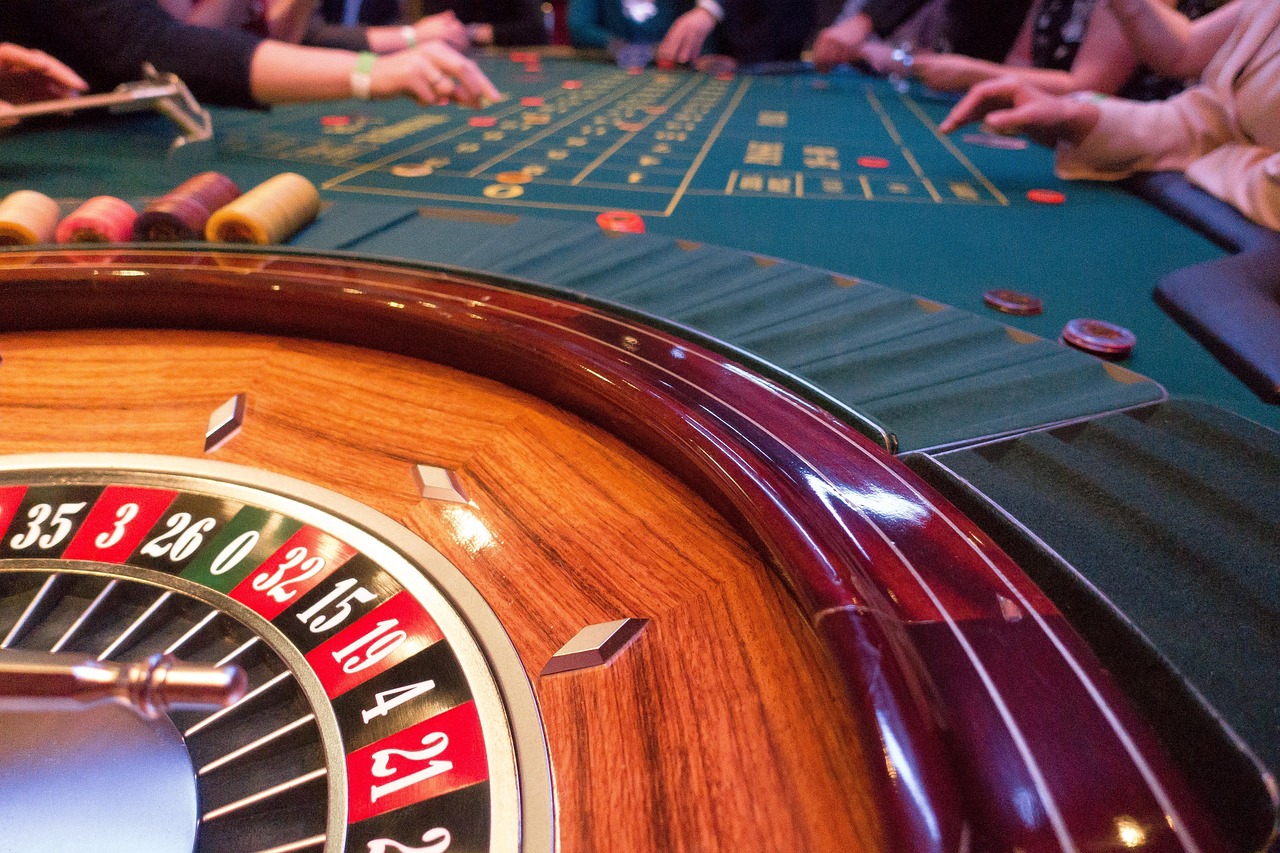
- European roulette: 2.7% (American roulette doubles it to 5.26% thanks to the extra zero).
- Slots: typically 2% to 10%, depending on the game.
- Keno and scratch cards: often 25% or more.
Those numbers don't shift based on how you hold the dice (which is largely a myth) or which seat you pick at the blackjack table. What you can control is which game you sit down at, how much you wager per hand, and when you walk away.
What Actually Separates Winners From Everyone Else
After all the theory, the players who don't bleed out share a few habits. They set a session loss limit before they start — and treat it as absolute. They pick games based on RTP, not on a flashy theme or a random promise of a hot streak. They understand that poker rewards study while slots and roulette reward discipline. And crucially, they see gambling as entertainment with a cost, not as an income strategy.
The casino has one enormous advantage: time. Every hand, spin, and bet grinds the edge against you. The only counter is limiting the number of rounds you play relative to your bankroll, choosing lower-edge games, and recognizing that "the next one has to hit" is the single most profitable sentence in the industry — for the house. Play the math, not the mood.


